
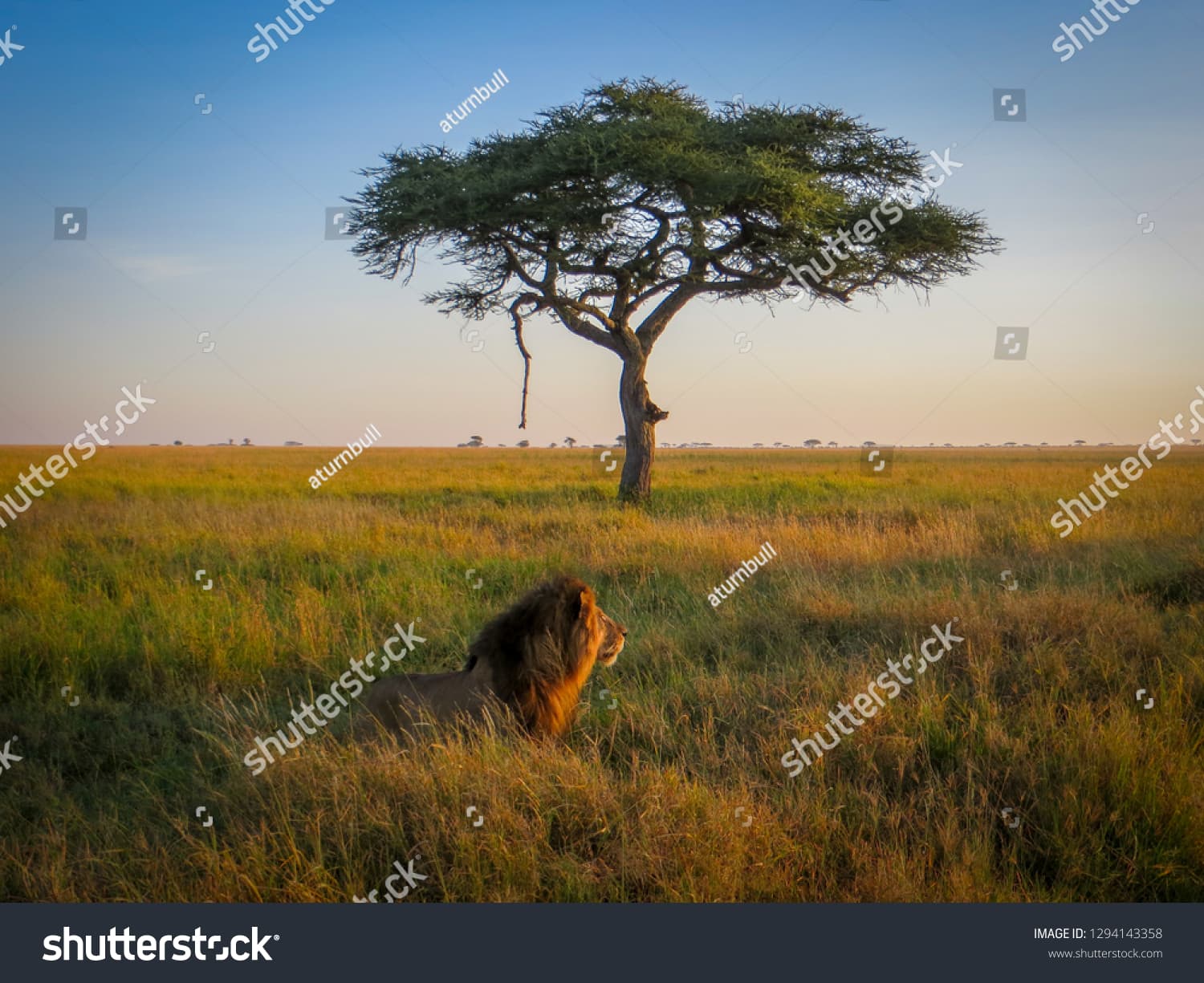
Bush Safari
7-Day Serengeti Signature Safari
Serengeti • Arusha
From
KES 410,000
per person sharing

Talk to us
+254 700 000 000
hello@provenadventures.com
Jahazi Building, Lavington, Nairobi
Kenya · Northern Tanzania
Central Serengeti is Tanzania’s wildlife heartland, reached from Kenya via Nairobi flights or an overland border route. Kenyan travellers come for year-round resident animals, Seronera Valley predator viewing and seasonal Great Migration herds.
Bush Safari
Serengeti • Arusha
From
KES 410,000
per person sharing
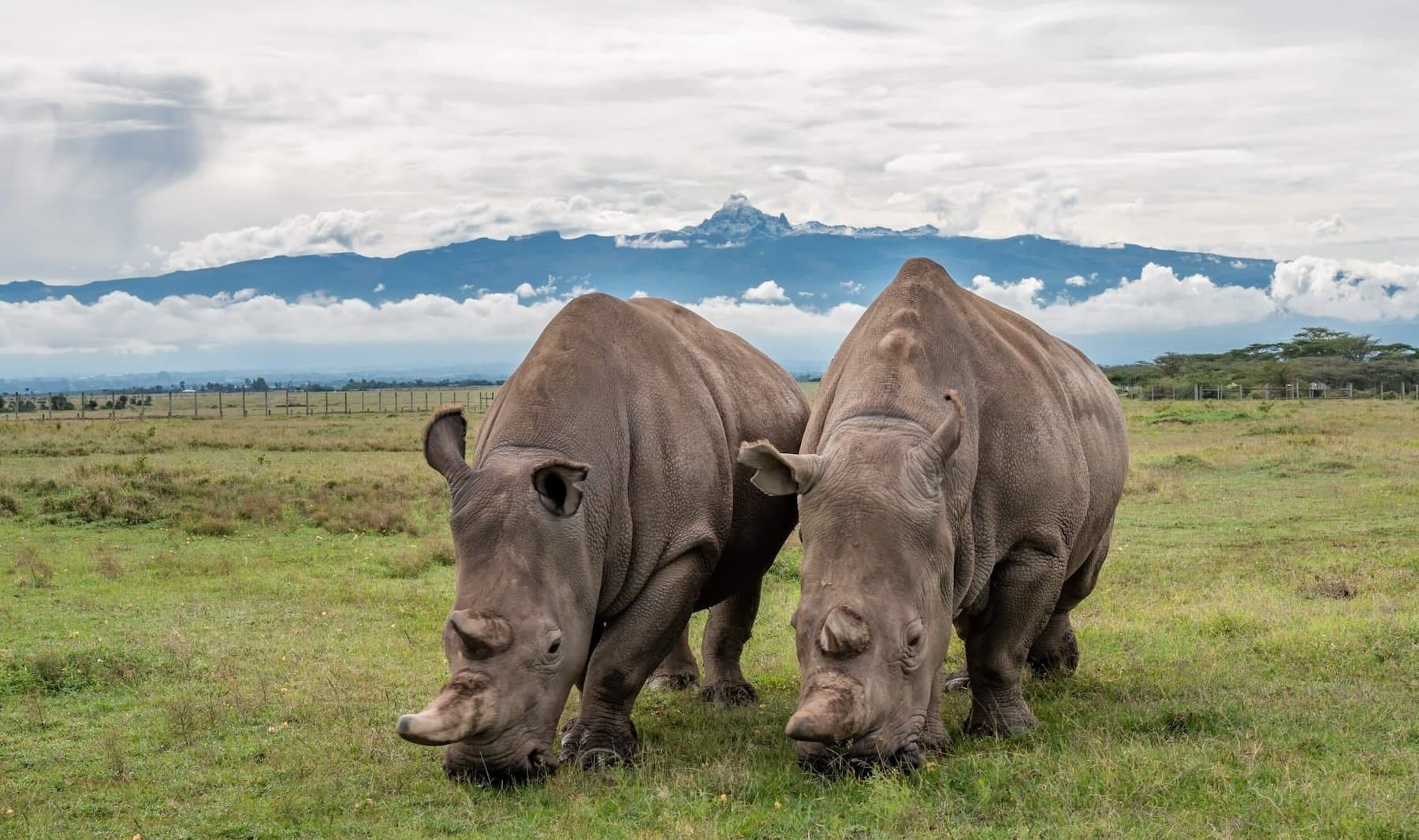
Bush Safari
Ol Pejeta • Nairobi
From
KES 49,500
per person sharing
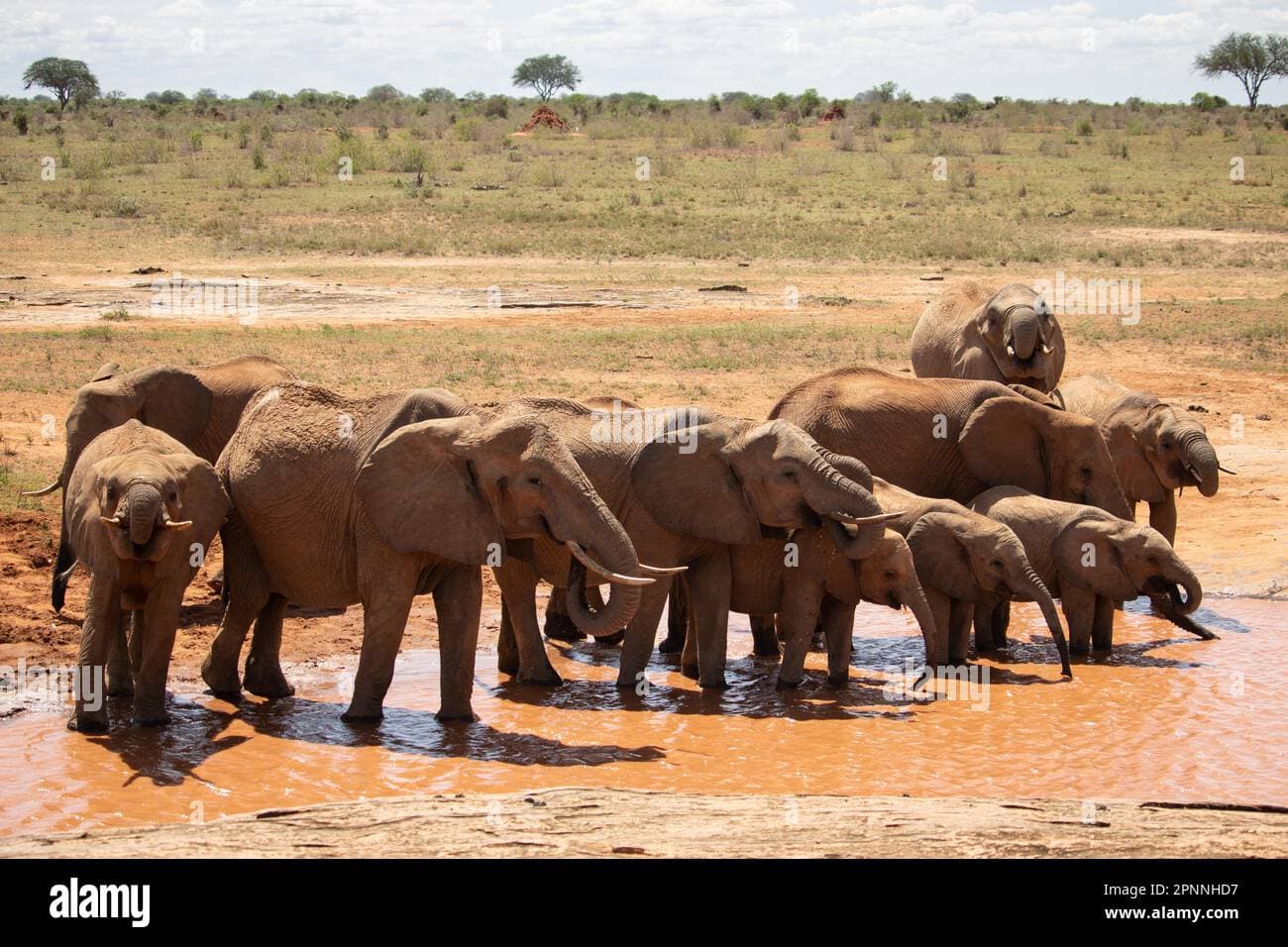
Bush Safari
Tsavo • Tsavo East National Park • Tsavo West National Park • Taita Hills • Nairobi
From
KES 69,500
per person sharing
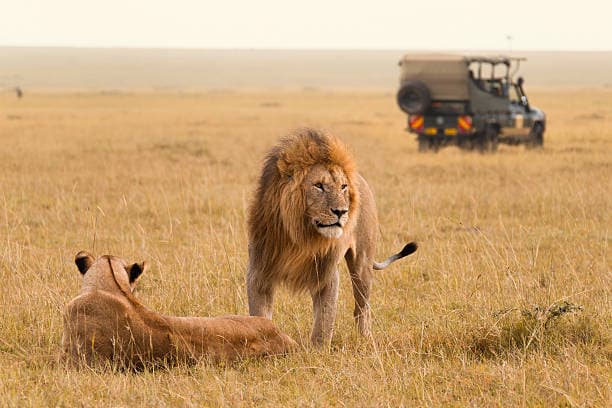
Bush Safari
Masai Mara • Nairobi
From
KES 38,000
per person sharing
Bush Safari
Meru National Park • Nairobi
From
KES 59,500
per person sharing
Best time to visit: April–June and October–December (migration); June–October (big cats)
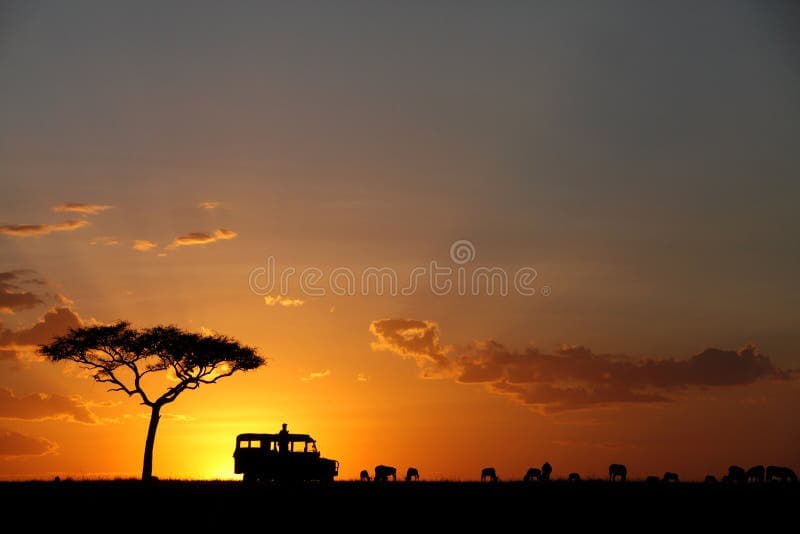
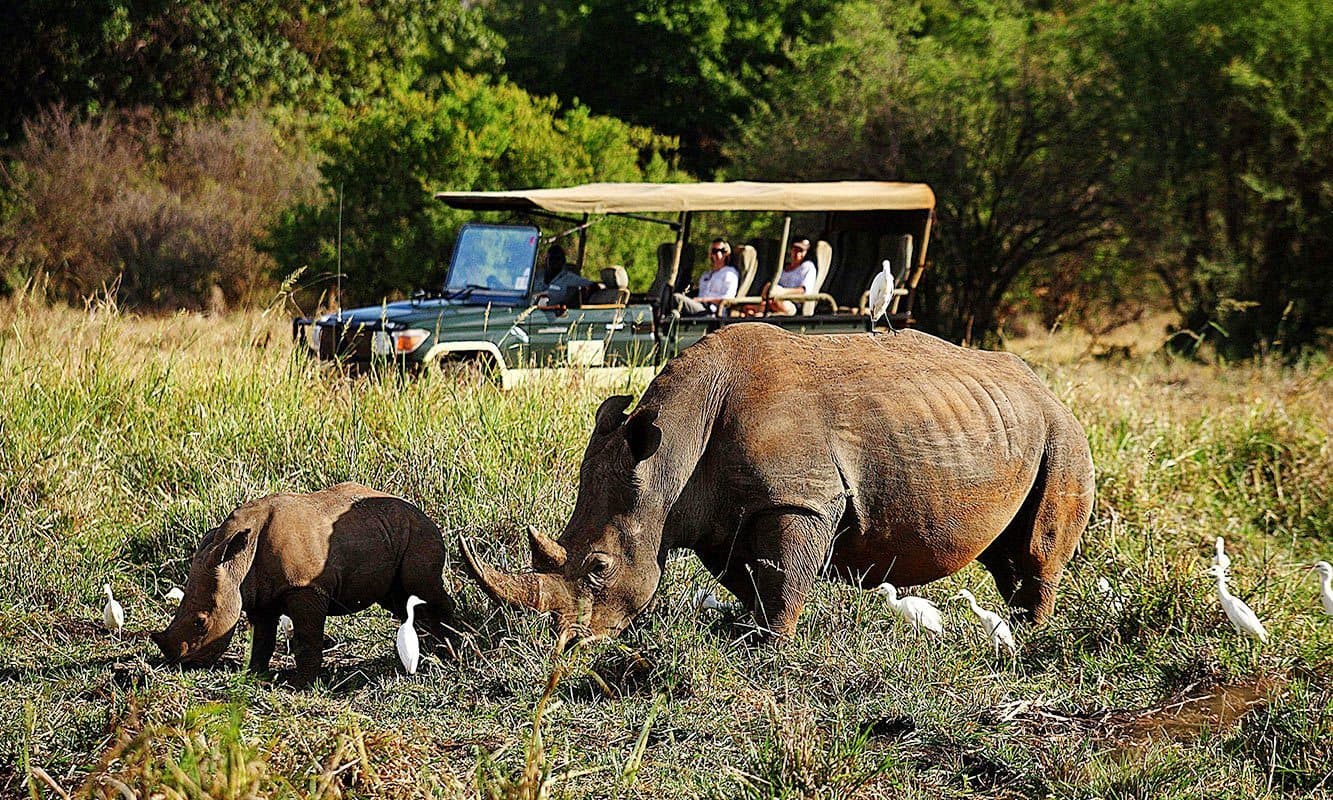
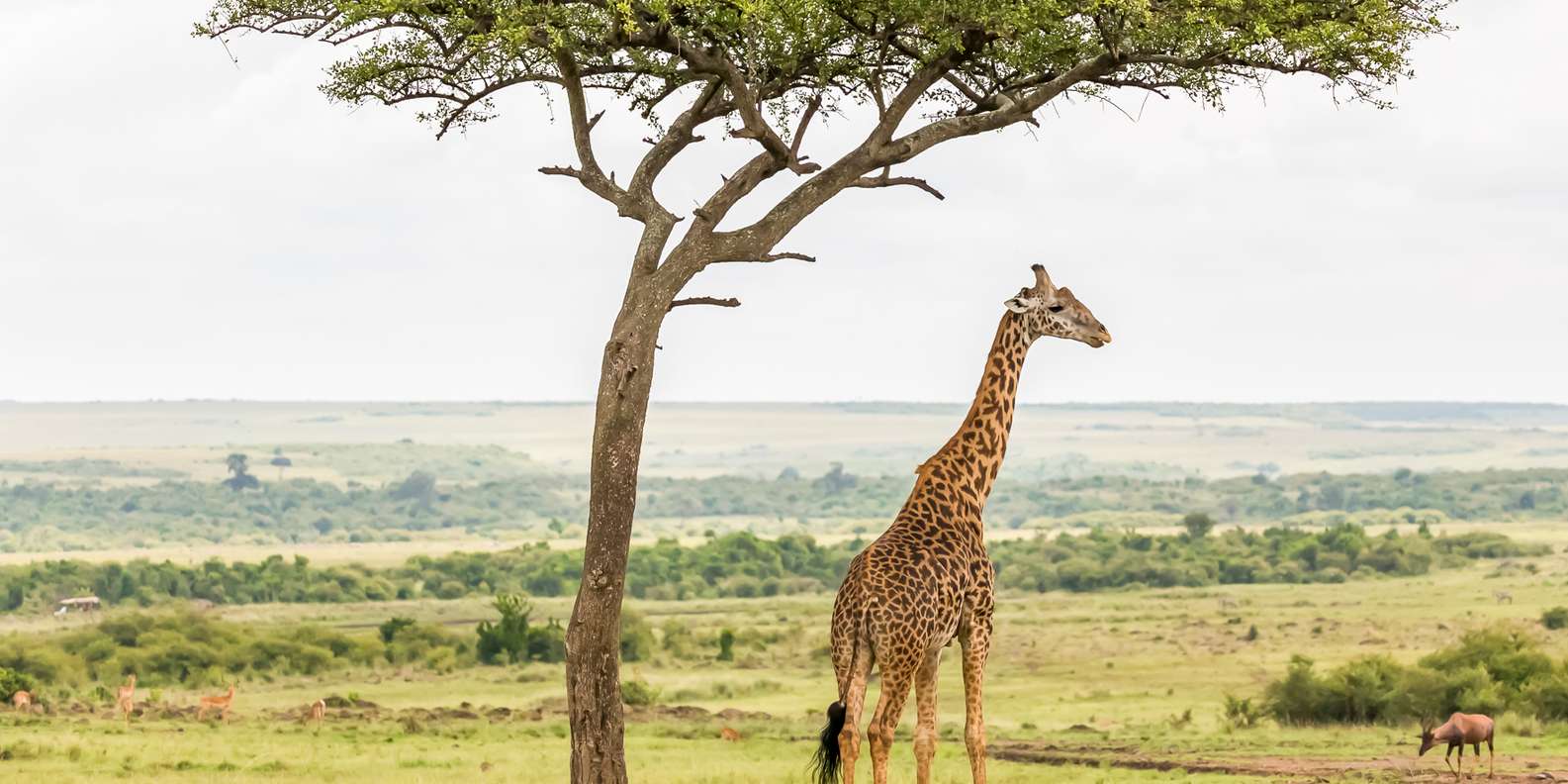
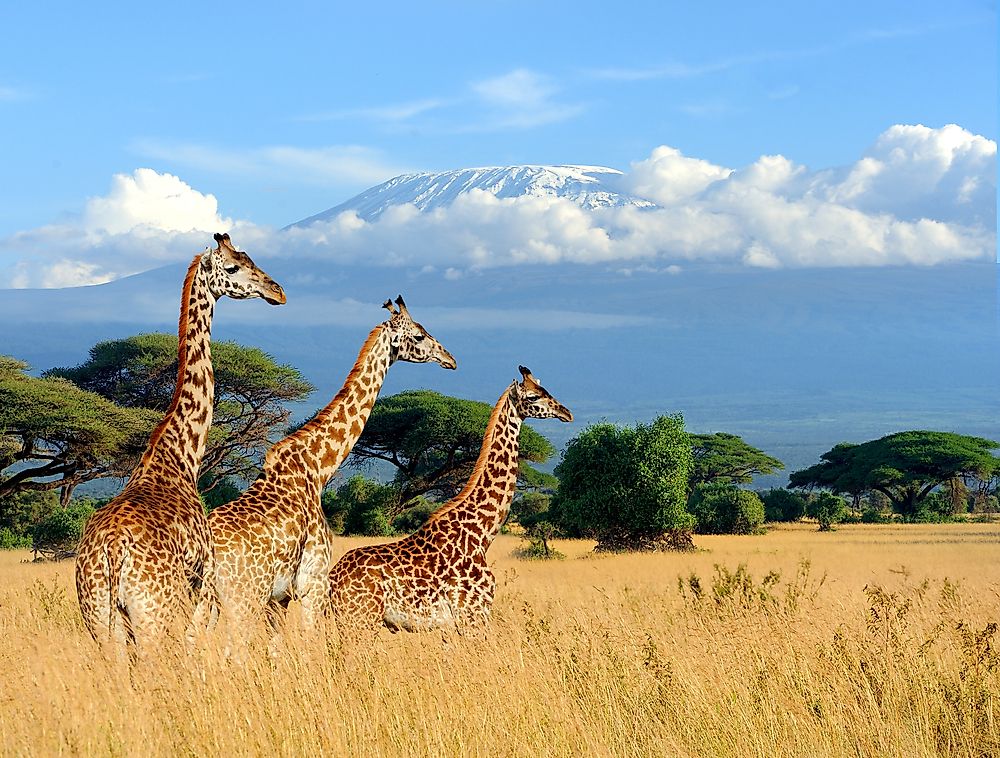
Central Serengeti is the Seronera-centred wildlife heartland of Tanzania’s Serengeti National Park, known for resident predators and seasonal migration herds. The area combines acacia woodland, open grassland and kopjes, or rocky outcrops. Lion, cheetah, elephant and giraffe are reported here year-round, while leopard habitat is particularly associated with the woodlands and kopjes around Seronera.
Central Serengeti gives Kenyan travellers a Tanzania safari extension with reliable wildlife viewing beyond the Maasai Mara migration season. The destination is especially useful for travellers seeking resident big cats as well as moving wildebeest herds. Its location on major migration routes means the experience changes through the year, so dates should be chosen around either predator viewing or herd movements.
Central Serengeti is reached from Nairobi either by air or by an overland route through Arusha and the Kenya–Tanzania border. Return flights are estimated at USD 700–1,000, while return road travel is estimated at USD 100–200. The supplied route information does not identify a direct SGR connection, so plan around flights or a road itinerary with border logistics included.
Central Serengeti costs depend heavily on transport, accommodation standard, trip length and park charges. Full Serengeti safaris are estimated at USD 1,600 to USD 8,000 or more, while return transport from Nairobi is priced separately in available research. No verified KES conversion is provided in the research, so request a current KES quote rather than relying on a fixed exchange-rate estimate.
Kenyan citizens are listed among East African citizens in the referenced Serengeti fee information. The cited entry rate is TZS 10,000 for adults over 16 and TZS 2,000 for children aged 5–15, exclusive of 18% tax; children below five are free. Non-East African visitor rates are separately cited as USD 83 per adult and USD 24 per child aged 5–15 per 24 hours, so carry documents that establish your eligibility and confirm the current tariff before departure.
Central Serengeti is best for migration viewing from April to June and October to December. From April to June, herds move north after calving and pass through Central Serengeti towards the Western Corridor and Grumeti River, bringing predator action. From October to December, herds return from Kenya’s Maasai Mara and travel south through the Seronera Valley. April can be lush and quieter, though wetter conditions may not suit every first-time traveller.
Central Serengeti is particularly rewarding for big-cat game drives from June to October. Resident lion, cheetah and leopard populations mean wildlife viewing does not depend entirely on migration timing. Seronera’s acacia woodlands and kopjes are important places to scan for leopard, while open plains can suit cheetah sightings. Plan early morning and late afternoon drives for the best use of daily park hours.
The Great Migration reaches Central Serengeti as a moving wildlife event rather than a fixed-date spectacle. April to June brings northbound herds, while October to December brings southbound herds through Seronera Valley. River crossings and predator encounters can occur during the northward movement, but timing varies with rain and grazing conditions. Build flexibility into migration-focused itineraries rather than promising a specific crossing day.
A Central Serengeti balloon safari offers an aerial view of grassland, bush and wildlife herds at first light. Available research places shared balloon flights at about USD 500–599 per person, including a bush breakfast, with launch areas varying by season. Balloon places are limited and should be reserved with the main safari, particularly during migration periods when accommodation and activities sell out early.
Central Serengeti accommodation is generally chosen around access to Seronera game-drive areas and the seasonal location of wildlife. Lodge and camp availability is most constrained during migration periods, especially where travellers want easy access to the day’s likely herd movements. Book accommodation at least 8–10 months ahead for 2026. Ask for clarity on meals, game drives, park fees and any concession charges included in a proposed itinerary.
Central Serengeti requires border preparation as well as normal safari packing. Check Tanzania entry and visa requirements for your passport before leaving Nairobi, because the supplied research does not confirm current visa rules or costs. Carry warm layers for early starts: daytime highs are cited at 25–30°C year-round, while dry-season mornings can fall to 13–15°C. Serengeti park activity is generally listed from 06:00 to 18:00.
Proven Adventures can build a Central Serengeti itinerary from Nairobi around flights or road travel, migration timing and your preferred camp level. A well-planned trip should show every major inclusion clearly, including transport, accommodation, meals, game drives, park fees and border handling. Contact Proven Adventures 8–10 months before travel for the widest accommodation choice, particularly for April–June, October–December and balloon safari requests.
Plan it with us
Tell our planners when you want to travel and we’ll come back within one working day with live availability, honest prices in KES and a trip shaped around you — no obligation, no payment now.