
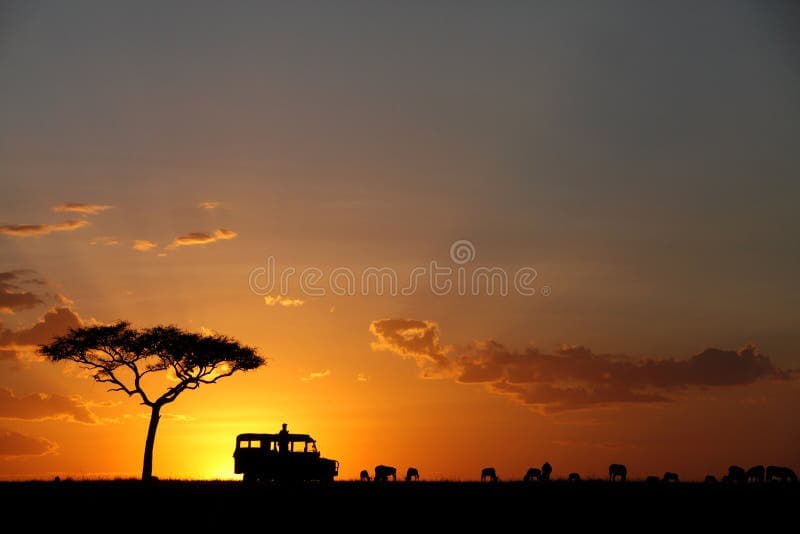
Bush Safari
4-Day Masai Mara Explorer Safari
Masai Mara • Nairobi
From
KES 38,000
per person sharing

Talk to us
+254 700 000 000
hello@provenadventures.com
Jahazi Building, Lavington, Nairobi
Kenya · South Rift
Masai Mara is Kenya’s leading safari destination for the Great Migration, predator sightings and open grassland scenery. Kenyan travellers can reach the reserve from Nairobi by road or small aircraft, making it practical for a long weekend or a longer safari.
Bush Safari
Masai Mara • Nairobi
From
KES 38,000
per person sharing
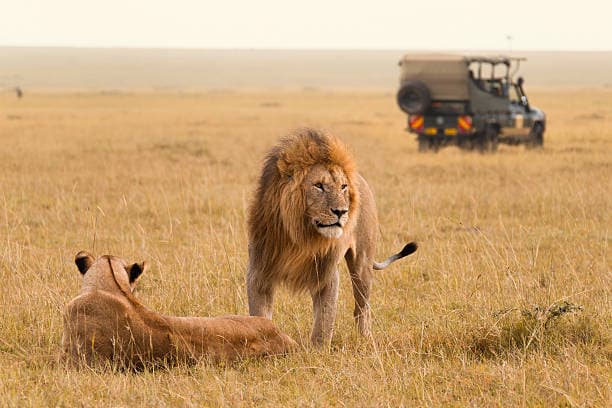
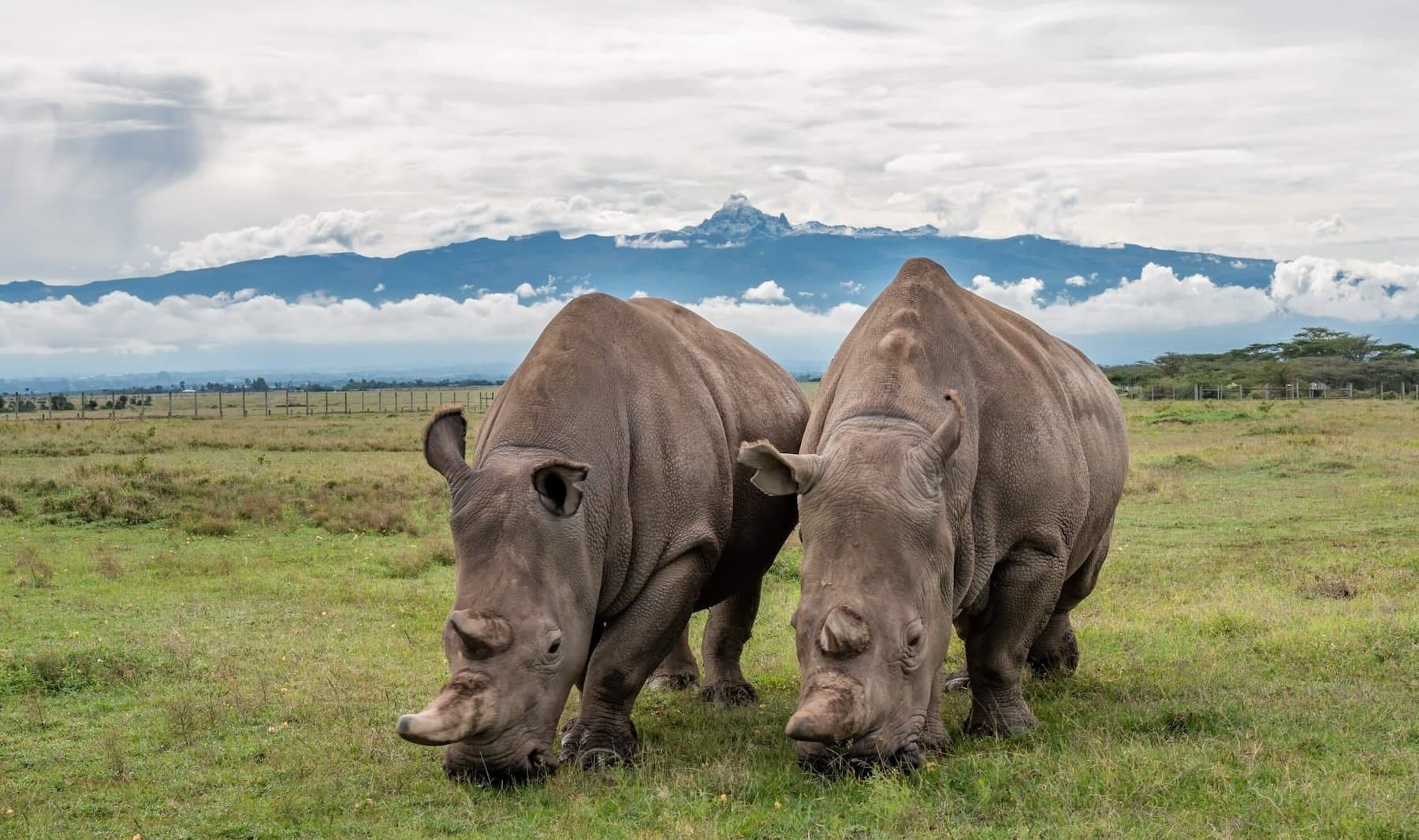
Bush Safari
Ol Pejeta • Nairobi
From
KES 49,500
per person sharing
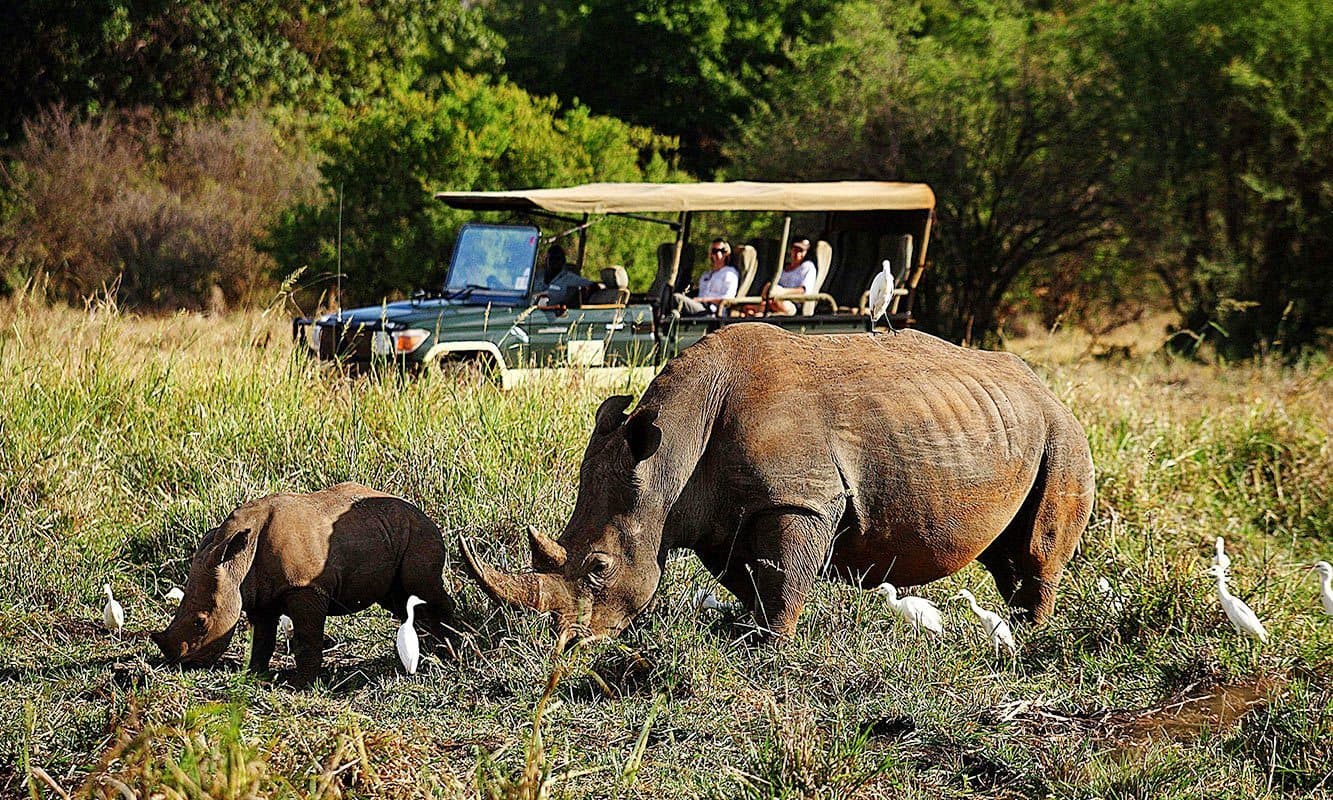
Bush Safari
Meru National Park • Nairobi
From
KES 59,500
per person sharing
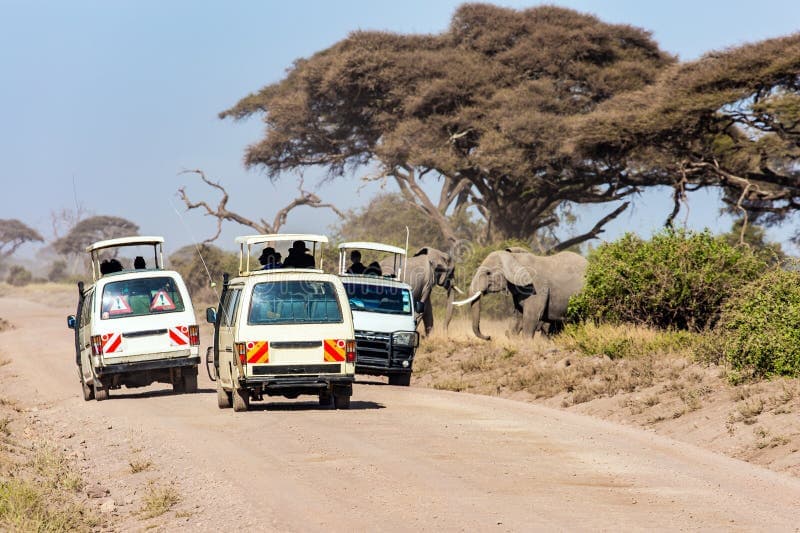
Group Special
Amboseli • Nairobi
From
KES 30,800
per person sharing
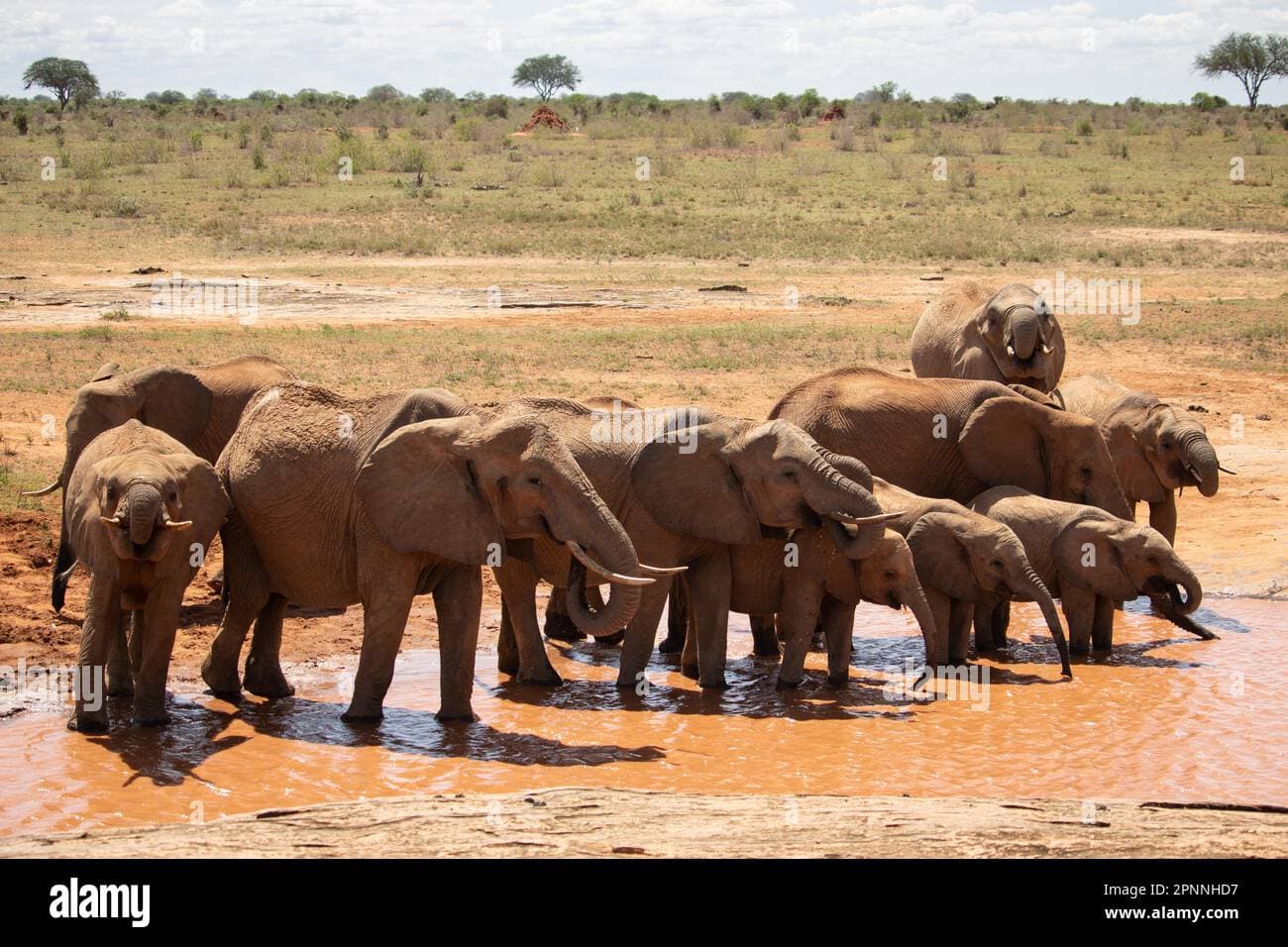
Bush Safari
Tsavo • Tsavo East National Park • Tsavo West National Park • Taita Hills • Nairobi
From
KES 69,500
per person sharing
Best time to visit: July–October (Great Migration); January–February (good wildlife viewing)
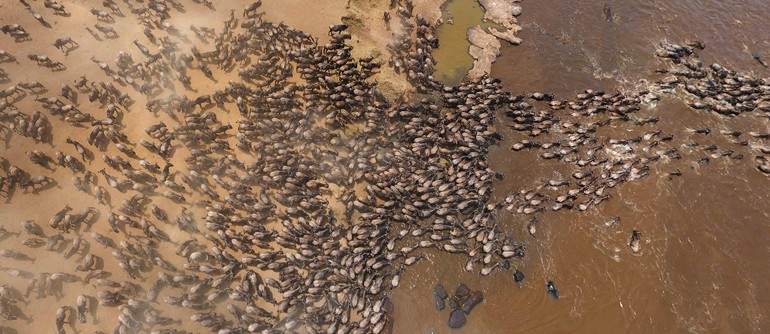
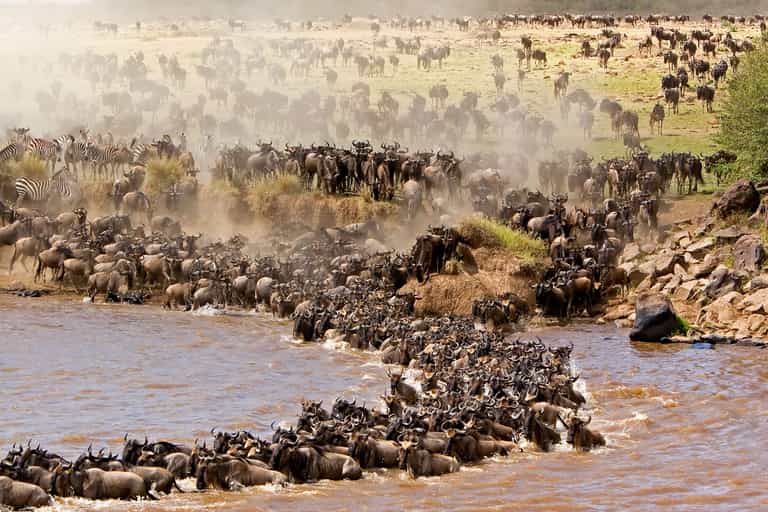
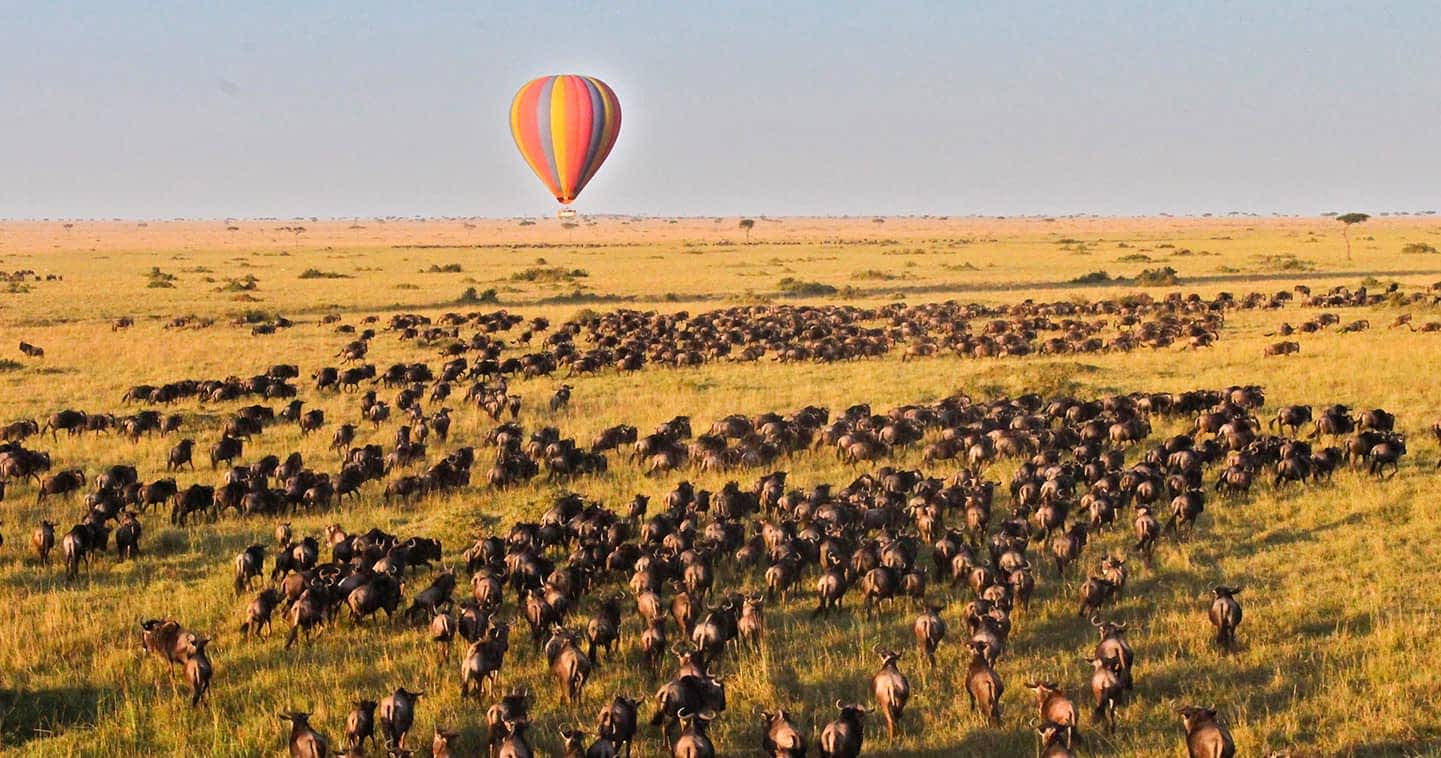
Masai Mara is Kenya’s best-known safari destination, with open plains, major wildlife concentrations and the seasonal Great Migration. More than 1.5 million wildebeest, zebras and gazelles move north from Tanzania during the migration period. Predators follow the herds, creating intense wildlife action. The reserve remains rewarding outside migration season, particularly in January and February, when visitors can still enjoy strong general wildlife viewing.
Kenyan travellers love Masai Mara because it delivers a major safari experience within reach of Nairobi. The destination suits couples, families, groups and residents planning a domestic holiday without international travel. A three-day, two-night itinerary works well for a long weekend, while a longer stay provides more time for game drives. Citizen and East African resident fee categories also make identification important when budgeting.
Masai Mara is about three hours from Nairobi by road under the researched travel guidance, although actual timing can vary with the chosen route and road conditions. A private vehicle with a driver is the most practical road option for longer distances and safari access. Domestic services use small aircraft for travellers who prefer to fly. The SGR does not run directly to Masai Mara, so it is not a direct alternative for this route.
Masai Mara citizen fees in 2026 range from KES 1,500 to KES 3,000 per adult per day, depending on season. East African residents pay KES 2,500 to KES 5,000, while Narok County residents pay KES 1,000 to KES 2,000. Non-resident adult fees are USD 100 from January to June and USD 200 from July to December. Tickets are valid for 12 hours. Three-day packages can start from about USD 223, with prices varying by season and accommodation.
The best time to visit Masai Mara in 2026 is July to October for the Great Migration and dry-season conditions. July to September is the most reliable window for possible river-crossing action, while August and September are especially popular. October can continue to produce excellent sightings. January and February are good alternatives for general wildlife. Travellers seeking fewer safari vehicles should consider dates outside the busiest migration months.
The Great Migration is Masai Mara’s headline experience from July to October. Wildebeest, zebras and gazelles move into the Mara from Tanzania as predators track the herds. July to September gives travellers the strongest chance of witnessing peak Mara River activity, but crossings cannot be scheduled to order. A flexible itinerary with several game drives offers a better chance than relying on one short visit to the river.
Masai Mara offers worthwhile wildlife viewing beyond the migration peak. January and February are good months for seeing resident animals without focusing the entire trip on river crossings. Dry conditions from July to October also draw wildlife towards rivers and water points, improving viewing opportunities. Travellers should allow several game drives because animal movement changes through the day and no single drive can cover the wider ecosystem.
Maasai cultural experiences add local context to a Masai Mara safari when arranged respectfully. Visitors should confirm what a cultural visit includes, whether photography is welcomed and how payments are handled before taking part. A well-planned visit should treat the community as hosts rather than as an attraction. Proven Adventures can include cultural time without reducing the game-drive schedule that brought you to the reserve.
Masai Mara accommodation ranges from budget camps to luxury safari properties, and the season has a major effect on the final package price. Mara Intrepids Tented Camp is one recognised option to consider when comparing locations and comfort levels. Ask whether a property is inside or outside the main reserve and how that affects daily driving. Reserve fees are no longer determined by the camp or lodge location, so they should appear separately in the quotation.
Kenyan citizens do not need a visa for a domestic Masai Mara trip, but they should carry a valid national ID to receive citizen rates. East African residents should bring accepted proof of residency, while non-residents should carry passports. Masai Mara entry tickets are valid for 12 hours rather than a full 24-hour day, so confirm arrival and exit plans. Families should also verify the documents needed to prove children’s ages.
Proven Adventures plans Masai Mara safaris around your travel dates, fee category, accommodation preference and transport choice. Our planners can build a three-day weekend itinerary or allow more time during migration season. Every quotation should clearly show reserve fees, road or air transfers, accommodation, meals and game drives. Share each traveller’s citizenship or residency status early so the correct 2026 entry fees can be used when costing the trip.
Plan it with us
Tell our planners when you want to travel and we’ll come back within one working day with live availability, honest prices in KES and a trip shaped around you — no obligation, no payment now.