
Safari
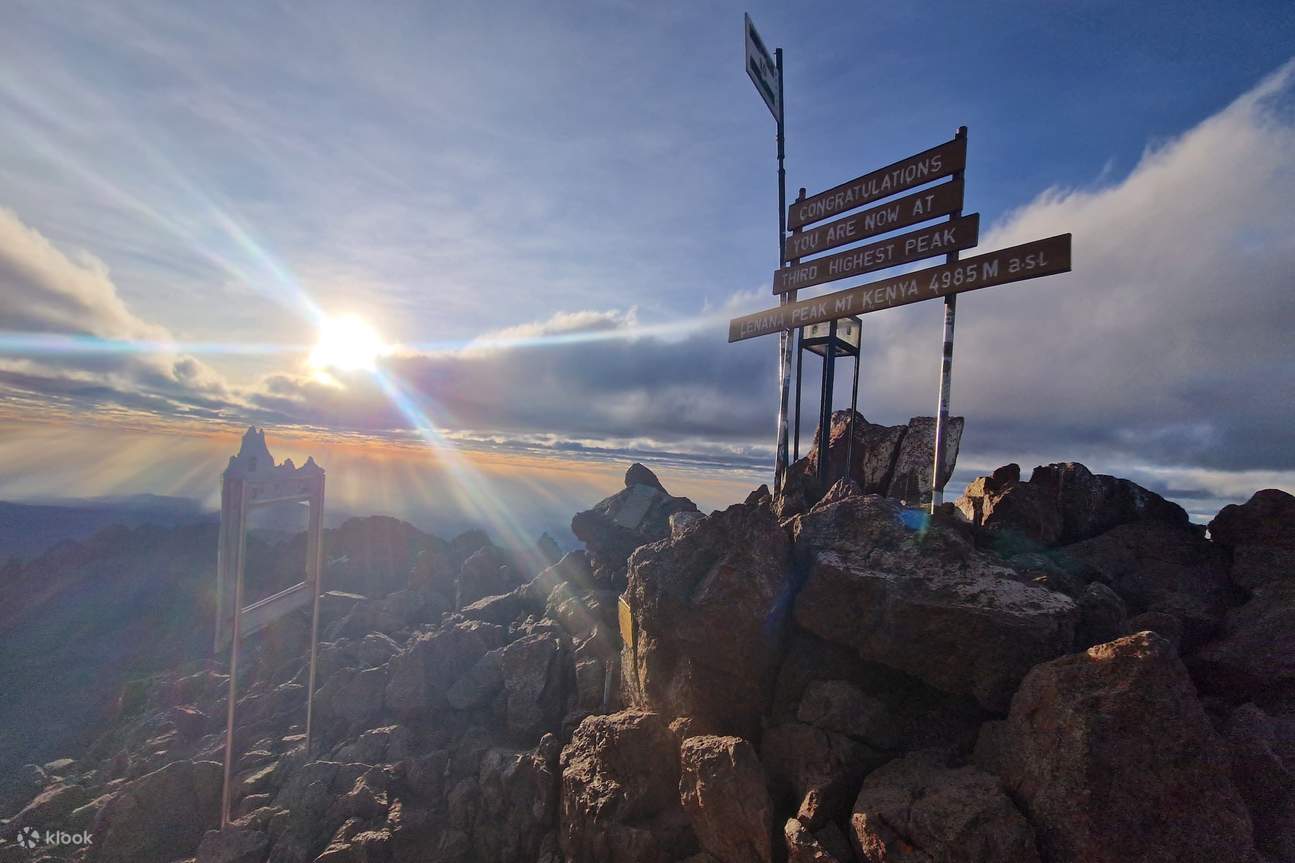
5-Day Mount Kenya Point Lenana Signature Trek
Mount Kenya • Mount Kenya National Park • Nanyuki • Nairobi
From
KES 89,000
per person sharing

Talk to us
+254 700 000 000
hello@provenadventures.com
Jahazi Building, Lavington, Nairobi
Kenya · Central Kenya
Mount Kenya National Park protects the alpine moorlands, glaciers and summit peaks above roughly 3,200 metres on Mount Kenya. For Kenyan travellers, it is a Nairobi-accessible high-altitude escape for hiking, wildlife spotting and multi-day trekking.
Safari
Mount Kenya • Mount Kenya National Park • Nanyuki • Nairobi
From
KES 89,000
per person sharing
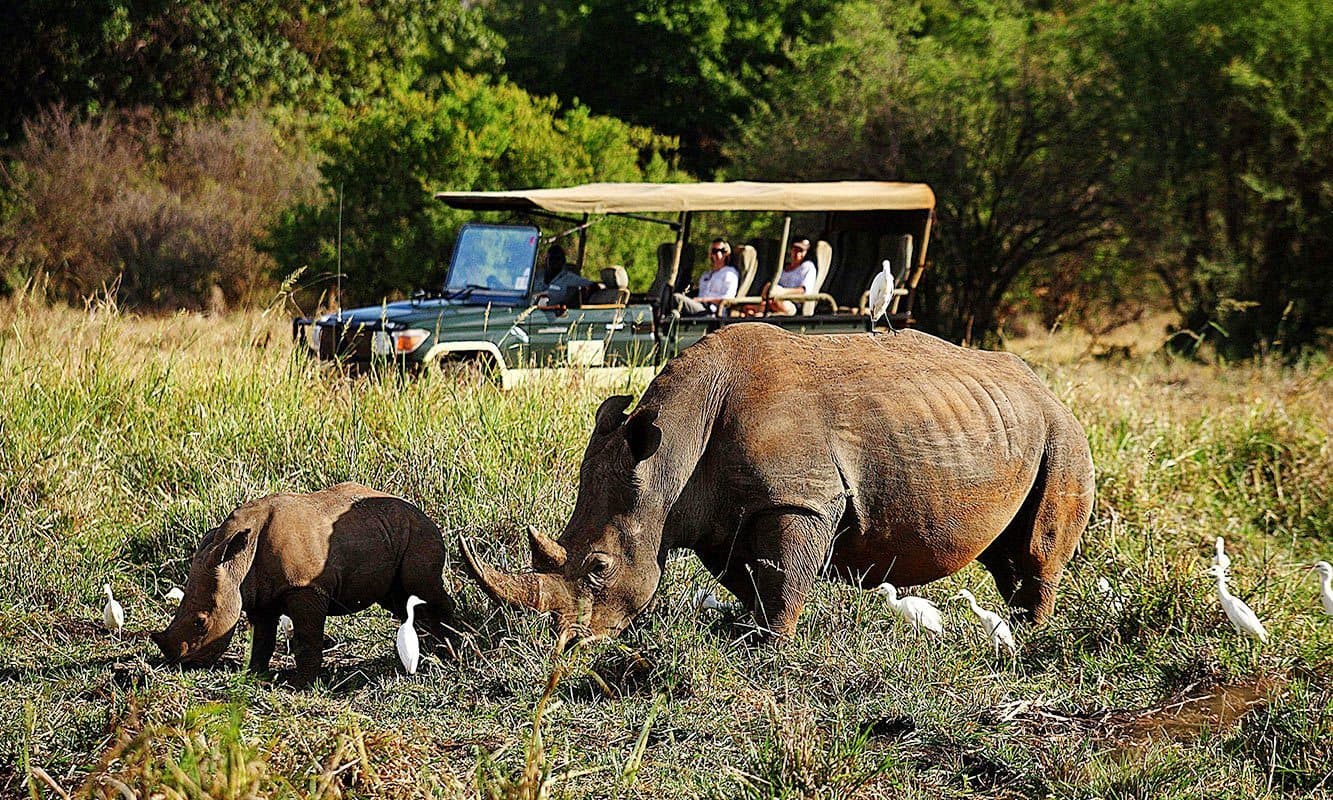
Bush Safari
Meru National Park • Nairobi
From
KES 59,500
per person sharing
Weekend Getaways
Aberdare • Aberdare National Park • Nairobi
From
KES 45,000
per person sharing
Bush Safari
Masai Mara • Nairobi
From
KES 38,000
per person sharing
Weekend Getaways
Lake Nakuru • Lake Nakuru National Park • Nairobi
From
KES 29,500
per person sharing
Family Holiday
Lake Naivasha • Crescent Island • Nairobi
From
KES 49,500
per person sharing
Best time to visit: January–February and July–September
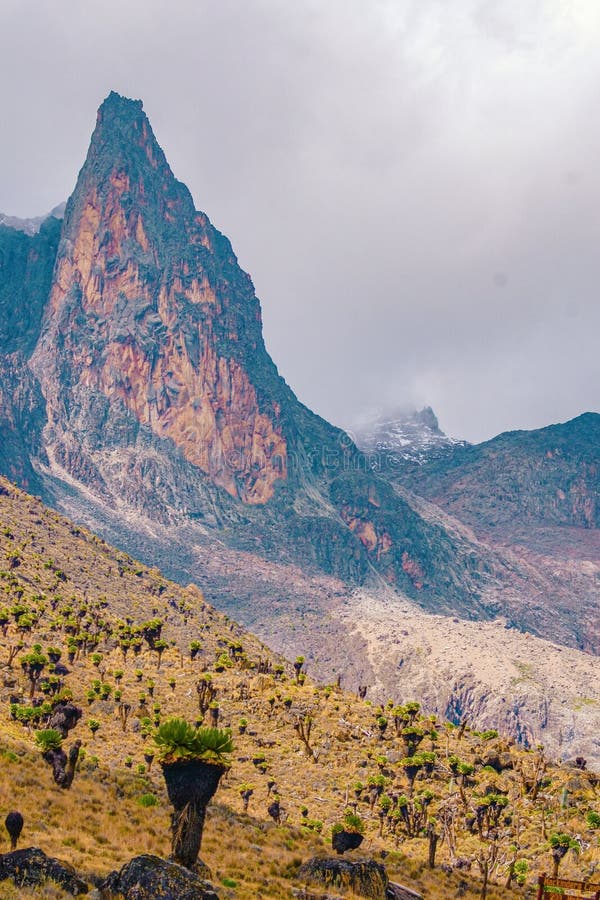
Mount Kenya National Park protects the high-altitude landscapes of Mount Kenya, including alpine moorlands, glaciers and summit peaks above roughly 3,200 metres. Kenya Wildlife Service manages the park, while the lower Mount Kenya Forest Reserve covers dense montane forest between about 2,000 and 3,200 metres. The park is a serious trekking destination rather than a standard drive-and-view safari stop.
Mount Kenya National Park gives Kenyan travellers a mountain escape with a clear purpose: hike, acclimatise and explore a protected alpine environment. The journey begins from Nairobi and leads into Central Kenya’s highlands, where the scenery changes from forested slopes to open moorland and high peaks. Wildlife spotting adds interest, but trekking is the main reason to plan a visit.
Mount Kenya National Park is best accessed from Nairobi, with flight being the fastest researched option. The available travel information places the flying time at approximately 41 minutes to one hour, with fares of USD 120–USD 300. Flights can save time for travellers with a tight schedule, but they do not replace the need to arrange onward access to the relevant park area.
Road travel from Nairobi reaches Mount Kenya through the Central Kenya highlands, including routes associated with Nyeri and Nanyuki. Choose road travel when you want flexibility with luggage, group transport or timing around your trek. The research does not confirm a direct SGR connection to the park, so confirm any rail plan and its onward road transfer before treating it as a viable access option.
Mount Kenya trekking costs depend on the number of days, transport and the support included in your itinerary. Available research lists trek entry charges of USD 150 for three days, USD 220 for four days and USD 300 for five days, but it does not provide verified current citizen or resident rates in KES. Confirm Kenya Wildlife Service conservation fees before paying or setting your final budget.
A five-day climbing package starts from about USD 890 in the available market research, with transport, a guide and park fees commonly included. This is a starting point, not a fixed quote, because accommodation, meals, route logistics and other inclusions can differ. Kenyan travellers should request a detailed breakdown and confirm the current conservation fee separately, especially when planning as citizens or residents.
January to February and July to September are the best periods for Mount Kenya National Park. These drier windows are suited to hiking and wildlife spotting, with milder conditions for long days outdoors. The mountain remains a high-altitude environment throughout the year, so dry-season travel does not remove the need for warm layers, rain protection and a flexible attitude to changing weather.
Climbing Mount Kenya is the park’s defining experience, with routes moving from the lower mountain into alpine moorlands and towards the summit peaks. A summit-oriented itinerary needs several days: the available entry information is structured around three-, four- and five-day treks. Build in time to acclimatise, follow your guide’s instructions and avoid treating the climb as a rushed fitness challenge.
Wildlife spotting on Mount Kenya is best treated as part of a broader mountain experience rather than a guaranteed game drive. Hiking reveals the park’s main draw: the transition from montane forest below to moorland, glaciers and high peaks above. Carry binoculars if wildlife is a priority, but plan your days around trail conditions, altitude and the time needed to complete each section safely.
Accommodation for a Mount Kenya trip should match your gate, trek length and transport plan. The supplied research does not verify named camps, lodges or room rates, so avoid choosing a stay before your route is confirmed. For multi-day climbing, ask exactly where each night is spent and whether meals, bedding, luggage handling and transfers are included in the arrangement.
Mount Kenya National Park requires practical mountain preparation, especially for multi-day hiking. Pack clothing for cold conditions and rain, protect your essentials from moisture and carry the supplies specified for your route. High-altitude trekking insurance with emergency evacuation cover is advised. Kenyan visitors should also confirm current entry procedures, conservation fees and accepted payment arrangements directly with Kenya Wildlife Service before departure.
Proven Adventures can help shape a Mount Kenya National Park plan around a weekend escape, a longer trek or a Nairobi departure. Start by deciding whether your priority is hiking, wildlife spotting or a summit attempt, then allow enough days for the route you choose. We recommend confirming current Kenya Wildlife Service fees and all itinerary inclusions before finalising your travel dates.
Plan it with us
Tell our planners when you want to travel and we’ll come back within one working day with live availability, honest prices in KES and a trip shaped around you — no obligation, no payment now.