Find the 2026 Samburu park fees for residents, plan your transport from Nairobi, and build a realistic budget for a weekend or longer Kenyan safari.
Samburu park fees in 2026 are KES 1,600 per resident adult per day and KES 800 per resident child per day. These entry charges apply to visits at Samburu National Reserve and should be included before you price transport, accommodation and activities. This guide explains the resident rates, non-resident comparison, Nairobi travel options, best months and practical ways to plan a Samburu safari in Kenya.
Why visit Samburu in 2026
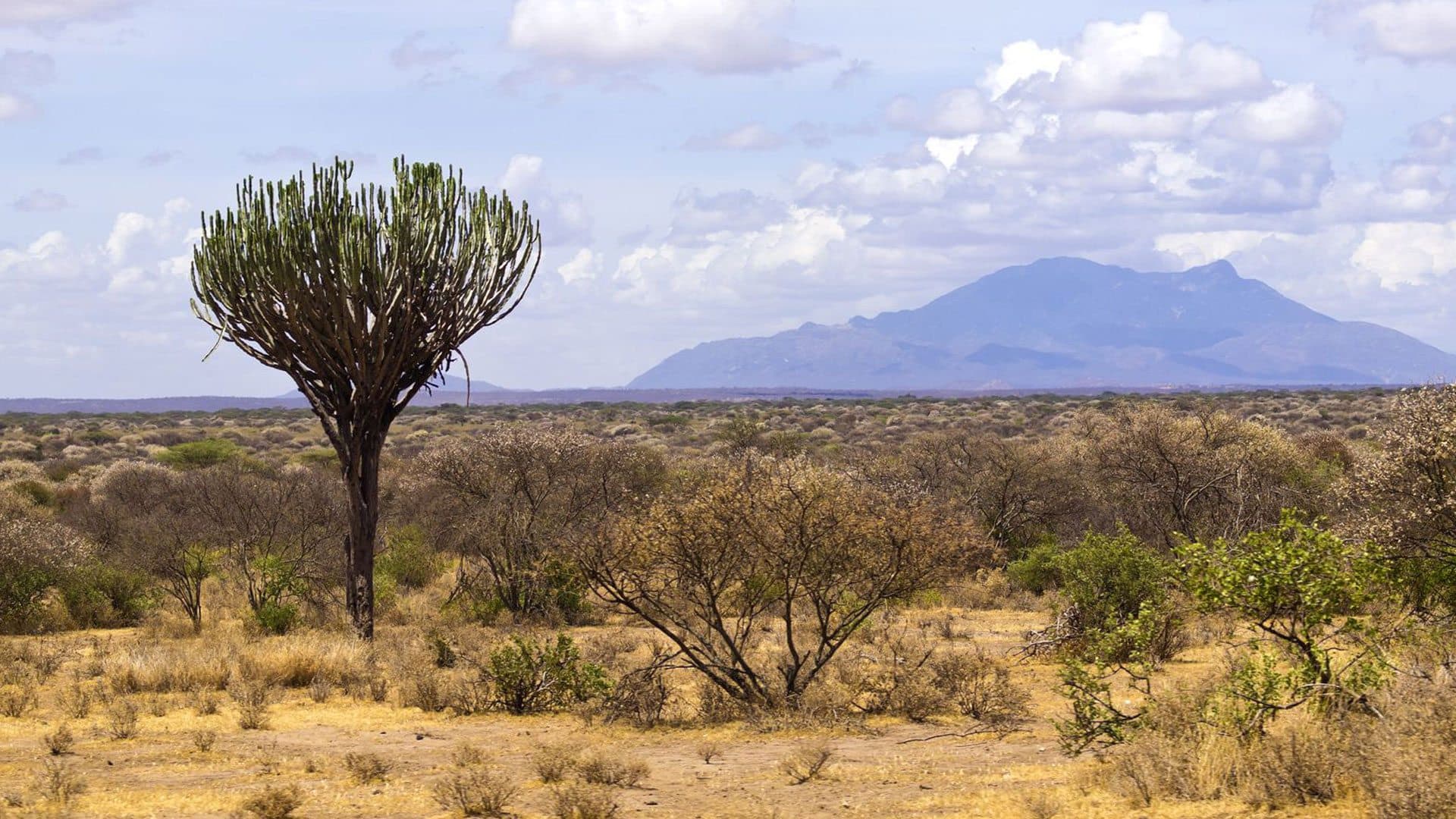
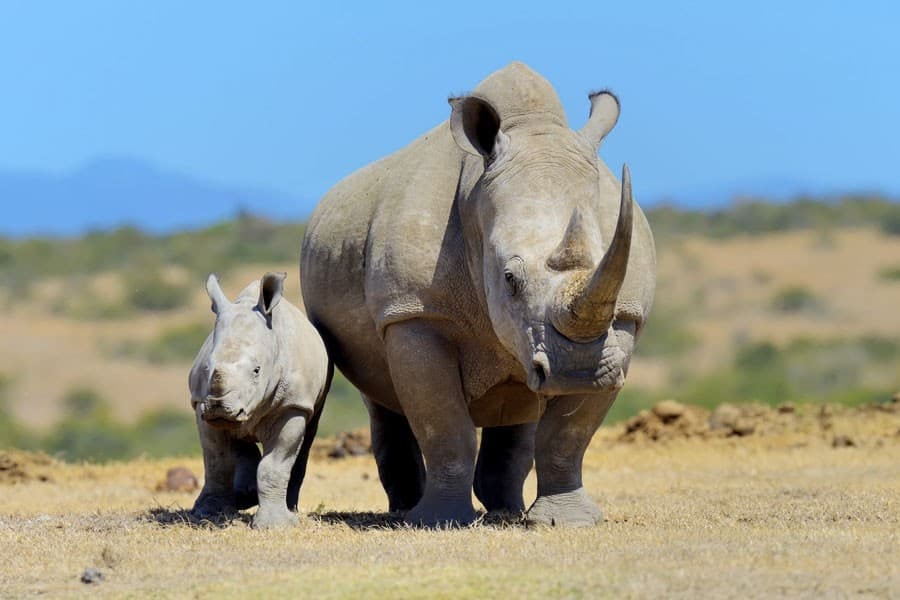
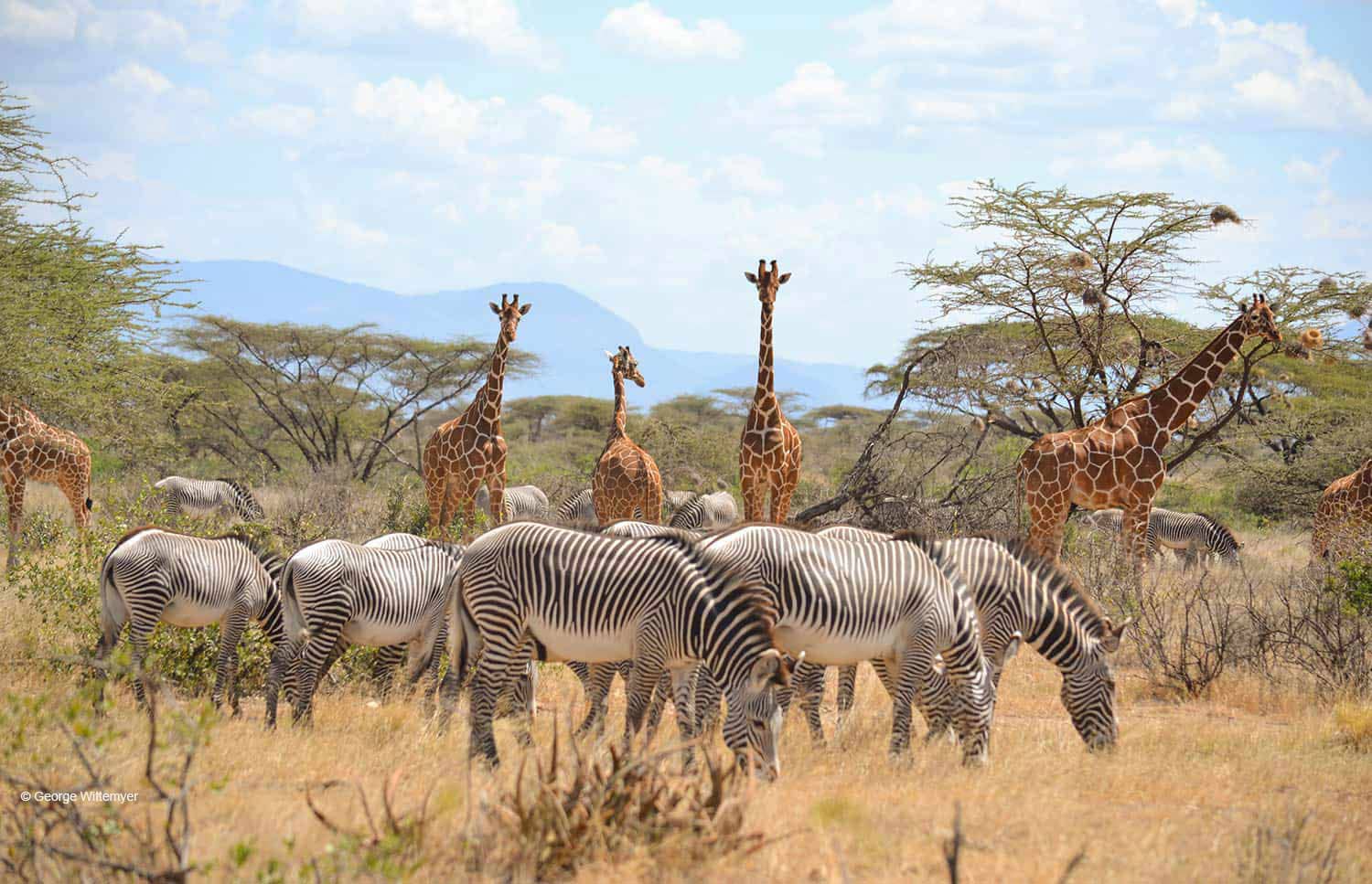
Samburu National Reserve is a strong choice for a 2026 Kenyan safari because it offers dry northern landscapes and wildlife linked to the Samburu Special Five. The reserve is also known for big-cat sightings. June to October and December to March are the most recommended months for wildlife viewing. A domestic trip gives Kenyan travellers a chance to explore a different side of the country without leaving Kenya.
Samburu National Reserve gives travellers a safari experience shaped by the Ewaso Nyiro region, open plains and rugged scenery. The destination also supports cultural travel connected to the Samburu people. Your visit should respect local communities and follow the guidance of your guide. Entry charges help support visitor services, conservation work, campsite maintenance, waste management and ranger patrols.
What are Samburu park fees?
Samburu park fees for 2026 list the resident adult rate at KES 1,600 per person per day. The resident child rate is KES 800 per person per day. These are entry charges only, so they do not cover accommodation, meals, transport, guiding, cultural visits or other activities. Confirm your visitor category and payment instructions before travel because park procedures can change.
A two-day visit costs KES 3,200 in entry fees for one resident adult, before other safari costs. A family with two resident adults and two resident children would pay KES 6,400 for two days of entry. The calculation is simple: multiply the daily rate by each traveller and each day. Keep the entry budget separate from your room and transport budget.
The published 2026 schedule also lists a non-resident adult entry rate of USD 85 per person per day. A non-resident child rate of USD 40 is listed in the available fee information. Kenyan residents should carry the required identification or residency documents when checking in. Do not assume that a Kenyan passport, residency status or regional citizenship automatically places every traveller in the same fee category.
How much should you budget?
A safari vehicle with fewer than six seats is listed at KES 400 for vehicle entry. This charge is separate from the personal entry fee and may matter to self-drive visitors or private groups. Larger vehicle categories have different charges. Ask Proven Adventures to confirm the vehicle and entry items included in your quotation so you do not pay twice or leave a required charge out.
A three-day Samburu safari in the wider market typically starts from about USD 350, while mid-range packages commonly start around USD 400. These figures are package guide prices, not fixed 2026 quotes. Luxury Samburu packages can exceed USD 3,000. The final amount depends on accommodation, transport, meal plan, vehicle type, travel dates, park fees and the number of people sharing the vehicle.
A 2026 trip listing for Samburu starts from USD 3,603, showing how widely safari budgets can vary. This figure should not be treated as the normal cost of a short Kenyan weekend. For a fair comparison, ask whether a quote includes entry fees, transfers, game drives, meals, accommodation and driver-guide services. Proven Adventures can structure the route around your preferred comfort level and travel dates.
How to travel from Nairobi
Nairobi travellers can reach Samburu through a road safari, a matatu-based travel plan or a flight followed by a local road transfer. Each option affects the total cost, luggage plan and time available for game viewing. A private road transfer is easier for families and groups with fixed schedules. A shared option can reduce the cost when travellers are comfortable with less flexibility.
The SGR can form part of a Nairobi travel plan when you combine rail travel with a road connection towards northern Kenya. It is not a direct train to Samburu National Reserve. Flights can save road travel time but usually require a separate transfer between the airstrip and your lodge or camp. Proven Adventures can match the transport plan to your budget, group size and safari dates.
When is the best time?
June to October is the best period for many travellers who want easier wildlife viewing in Samburu. The dry conditions can make animals easier to spot around water sources, and the reserve is recommended for sightings of the Samburu Special Five and big cats. These months are also popular, so early planning is useful for weekend dates, school holidays and group travel.
December to March is another recommended season for visiting Samburu National Reserve. January to March can be less crowded, while April to May generally brings lower safari prices and fewer visitors. March to early June is an off-season period in the available travel guidance. Choose the dry months for stronger wildlife-viewing conditions or the quieter months if your main goal is value and space.
Where should you stay?
Accommodation near Samburu should be chosen with your game-drive plan and transport budget in mind. Camps and lodges around Samburu National Reserve, Buffalo Springs and nearby conservancy areas offer different access arrangements. Samburu Tembo Camp is located in Buffalo Springs National Reserve, so check the exact reserve covered by your booking. Confirm whether your package includes entry fees for every reserve on the itinerary.
What can you do in Samburu?
Samburu National Reserve is best suited to travellers who want classic game drives and northern Kenya scenery. Buffalo Springs National Reserve and Shaba National Reserve can also appear in wider Samburu itineraries, but each area may have separate entry rules or charges. Your quotation should name every reserve included. This detail prevents confusion when a route crosses more than one protected area.
Game drives are the main activity in Samburu National Reserve. The reserve is recommended for viewing the Samburu Special Five and big cats, especially during the dry season from June to October. Morning and afternoon drives can be planned around your accommodation and transport schedule. Ask your guide how many drives are included, because entry fees alone do not create a full safari programme.
Cultural travel is another reason to visit the Samburu region. Samburu communities have a strong pastoral heritage, with cattle, sheep, goats and camels forming part of traditional livelihoods. Cultural visits should be arranged responsibly and with local consent. Ask what is included, who leads the visit and whether community fees are covered. Treat photography, homes and ceremonies with respect.
What should you prepare?
Kenyan residents should carry a national identity card or accepted residency document for park admission. Keep digital and printed copies of your booking details, payment confirmation and emergency contacts. Pack light layers, sun protection, closed shoes and a refillable water bottle. Northern Kenya can feel hot during the day, while early game drives may be cooler. Follow your guide’s safety instructions throughout the visit.
What is a good itinerary?
A practical three-day plan starts with travel from Nairobi and arrival near the Samburu area, followed by an afternoon game drive if your transfer allows. The second day can focus on morning and afternoon drives in Samburu National Reserve. The final day can include one early drive before your return journey. Budget two resident adults at KES 9,600 for three days of entry alone.
A longer stay gives you more chances to view wildlife and reduces the pressure of fitting every activity into one weekend. Four days means four daily entry charges for each traveller, so one resident adult would budget KES 6,400 for entry. Add accommodation, meals, transport and guiding separately. Longer plans work well for photographers, families and travellers combining Samburu with other northern Kenya destinations.
How should you book?
Book early for June to October, December to March, school holidays and public-holiday weekends because these periods are popular. Request a written quotation that shows resident entry fees, vehicle charges, accommodation, meals, transfers, game drives and any cultural activity. Proven Adventures builds tailor-made Kenya safari plans, so you can choose between a short weekend, a private route or a longer northern circuit.
Plan your Samburu safari
Samburu park fees are only one part of your 2026 safari budget, but they are an important starting point for Kenyan travellers. Plan on KES 1,600 per resident adult and KES 800 per resident child per day, then add transport and accommodation. Contact Proven Adventures for a tailor-made Samburu package with clear inclusions, practical Nairobi connections and a plan suited to your group.